The StateVision GrowthPlan for Modern Infrastructure DevelopmentThe StateVision GrowthPlan for Modern Infrastructure Development
The StateVision GrowthPlan is more than a document. It is
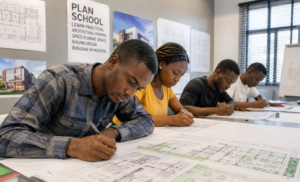
Plan School
You can learn how to draw a floor plan, read a building design, and understand why spaces are arranged the way they are, even without attending an architecture school. That is exactly what Plan School on MassodihPlans is built to help you do. This category teaches practical architectural drawing, space planning, and building design thinking in plain language, using Nigerian plots, Nigerian construction realities, and Nigerian living conditions as the foundation for everything explained here.
Whether you are an architecture student trying to make sense of what your lecturers have not explained clearly, a builder who wants to understand plans better before construction begins, or someone simply preparing to build a home and tired of feeling lost in conversations with your architect, this is where you start.
Plan School is not a collection of theoretical academic content. It is a practical design education section written for people who learn better when they see real examples, understand real trade-offs, and can apply what they read to actual Nigerian building situations.
The topics covered in this category include architectural drawing tutorials, how to draw floor plans manually without expensive software, practical bungalow and duplex planning principles, space planning techniques for different room types, site analysis and plot planning methods, building circulation and room arrangement logic, setback calculations based on Nigerian town planning regulations, how to read and interpret elevations, sections, and roof plans, smart design approaches for small and narrow plots, CAD and architectural drafting guidance, and common design mistakes that cost Nigerian homeowners money during construction.
Beyond the technical side, this category also explores how climate, family structure, culture, lifestyle, ventilation needs, accessibility requirements, and construction budget all shape the way a building should be designed in Nigeria. Good design is not just about what looks good on paper. It is about what works on the ground, in the heat, in a compound shared by extended family, on a 50×100 plot in a busy Nigerian neighbourhood.
Readers who want to see finished design ideas alongside these learning resources will find practical layout examples and buildable concepts in the Plans Library category, where I explore modern bungalow plans, duplex house designs, apartment layouts, and smart residential concepts for different Nigerian plot sizes.
Most architectural education in Nigerian universities is heavily theoretical. Students spend years studying structural principles, environmental science, building history, and design theory, often without drawing enough actual floor plans or developing the practical space planning instincts that professional practice demands. By the time a student finishes a five-year architecture programme, they may be able to write extensively about Le Corbusier but struggle to plan a functional three-bedroom bungalow on a standard Nigerian plot without guidance.
Outside the university, the problem is even more pronounced. Builders, contractors, aspiring designers, and homeowners who did not study architecture have almost no accessible resource that teaches them how building plans work in a way they can practically use. The online resources that exist are largely foreign, designed around American or European building standards, plot sizes, climate conditions, and family structures that have little relevance to someone building in Ogun State, Anambra, or Akwa Ibom.
Plan School was created to fill that gap directly. Every lesson, tutorial, and design explanation in this category is written with Nigerian conditions at the centre, not adapted from foreign content and reworded to sound local.
Poor space planning is one of the most expensive problems in the Nigerian building industry, and it is almost entirely preventable. When a building is poorly planned, the consequences show up during construction and remain for the entire life of the building. Here is what bad planning actually produces:
Rooms that are the wrong size for the furniture Nigerian families use, creating tight, uncomfortable living spaces that cannot be rearranged effectively.
Circulation paths that force occupants to pass through private spaces to reach shared ones, creating privacy problems that worsen as families grow.
Windows and openings positioned without regard for prevailing winds, producing buildings that trap heat and require constant fan or air conditioning use that adds to monthly electricity costs.
Kitchens located far from dining areas or positioned so that cooking smells flow directly into bedrooms and living rooms.
Staircases in duplexes that consume excessive floor space or create dangerous head clearance problems because the designer did not calculate rise and run correctly.
Buildings with no room for future expansion because every square metre of the plot was consumed by the original structure without a plan for a later phase.
Setback violations that result in demolition orders, fines, or legal disputes with town planning authorities that delay or permanently damage a construction project.
None of these problems are inevitable. They are all the result of insufficient planning knowledge applied at the design stage. Plan School teaches readers to identify these problems before construction begins and make better decisions at the point in the process when changes are still free to make.
I write every post in this category with a specific person in mind: someone who wants to understand building design practically and is tired of content that is either too academic to be useful or too vague to be actionable. That person could be any of the following:
An architecture or building technology student who needs clearer explanations of what their studio courses are trying to teach, with real Nigerian examples rather than imported case studies.
A town planning or urban and regional planning student who understands development regulations but wants to build stronger working knowledge of architectural space planning principles.
An intern in a Nigerian architectural or planning firm who is learning on the job and needs a resource that explains the reasoning behind design decisions they are being asked to execute.
An aspiring house designer or CAD learner who wants to move from copying other people’s drawings to actually understanding how to create functional plans from scratch.
A young architect in early professional practice who wants to sharpen their space planning instincts and learn from practical Nigerian design examples.
A builder or contractor who wants to read plans more confidently and understand architectural intent clearly before work begins on site.
A Nigerian homeowner who is preparing to build and wants to be an informed participant in design conversations with their architect rather than a passive bystander who approves whatever is presented.
Even someone with no background in architecture or building can follow the content in Plan School. The explanations are written to be clear and progressive, starting from foundational concepts and building toward more complex planning principles.
The learning content in Plan School is organized around practical planning principles that apply consistently across different building types, plot sizes, and budgets. Here are some of the core areas this category addresses in depth:
A floor plan is not simply a drawing of rooms. It is a spatial decision-making document that encodes choices about how people will move through a building, how spaces will relate to each other, how structure will be distributed, and how the building will respond to its site and climate. This category teaches the logic behind floor plan creation, not just the technical mechanics of drawing lines.
Nigerian rooms need to accommodate Nigerian furniture, Nigerian family gatherings, and Nigerian lifestyle habits. This section covers how to determine appropriate room dimensions, how to test a room layout with furniture before construction, and how to create spaces that remain functional as family size changes over time.
Every Nigerian state has town planning regulations that govern how far a building must sit from the road, from side boundaries, and from the rear of the plot. Ignoring these regulations during design leads to enforcement problems during construction approval and sometimes requires expensive redesign or demolition after construction has begun. This category covers how to calculate setbacks correctly and how to design within regulatory constraints without sacrificing functional floor space.
Understanding Nigerian building regulations is also essential for professional practice. The Nigerian Institute of Architects maintains professional standards and guidelines relevant to architectural practice in Nigeria, and their resources at niarchitects.org provide useful reference material for students and practitioners looking to understand the professional and regulatory framework that governs building design in the country.
Many people can read a floor plan at a basic level but struggle to understand what an elevation or section drawing communicates. This category demystifies these drawing types and explains how they work together as a complete set of architectural documentation.
Nigeria sits within the tropical climate zone, which means buildings must be designed with solar orientation, prevailing winds, rainfall, and humidity in mind. This section covers how to position buildings on a plot, how to size and locate openings for maximum natural ventilation, how to use shading elements effectively, and how to design roofs that manage heavy tropical rainfall without damaging the structure or the interior.
For readers learning architectural drawing using digital tools, this category covers practical CAD techniques applicable to Nigerian building design workflows, including setting up a drawing correctly, using layers effectively, dimensioning accurately, and producing drawings that can be read clearly by contractors and town planning authorities.
Plan School does not exist in isolation. It is part of a broader educational and professional resource ecosystem on MassodihPlans designed to support everyone involved in Nigerian building design and development, from students and aspiring designers to professional practitioners and homeowners.
Readers who apply the planning principles taught in this category will find it easier to evaluate, discuss, and adapt the building designs and layout ideas presented in the Plans Library. The Plans Library contains practical Nigerian house plans, bungalow designs, duplex concepts, apartment layouts, and mixed-use building ideas, all discussed with the kind of planning explanation that Plan School teaches readers to appreciate and apply.
Readers who move beyond learning and need professional support for an actual building project, including plot planning review, space arrangement guidance, or building design consultation, can find details about how I work with clients directly on the Services page.
There are architecture tutorials available across YouTube, design blogs, and educational platforms. Most of them are excellent resources for what they are designed to teach. But the majority of them teach to a foreign audience, using foreign plot examples, foreign building codes, foreign construction costs, and foreign lifestyle assumptions.
A tutorial that teaches how to plan a master bedroom suite with a walk-in wardrobe and an ensuite bathroom is genuinely useful content, but it is designed for a market where that is a standard expectation. In the Nigerian context, a master bedroom with a toilet and bathroom directly attached, a reasonable wardrobe recess, and good cross-ventilation is a well-designed room. The space planning logic is different. The priorities are different. The constraints are different.
Plan School is written entirely from within the Nigerian context. The plot sizes used in examples are Nigerian plot sizes. The regulatory references are Nigerian regulations. The family structures discussed are Nigerian family structures. The construction cost considerations reflect Nigerian material and labour realities. That specificity is what makes the content here practically useful in a way that imported tutorials simply cannot replicate.
Every post in this category is written to move you from confusion to clarity on a specific aspect of architectural drawing, space planning, or building design. The explanations are practical, the examples are locally grounded, and the goal is always the same: to help you understand building design well enough to make better decisions, whether you are drawing plans professionally, studying for examinations, supervising a construction site, or preparing to build your own home.
Explore the Plan School category on MassodihPlans, work through the tutorials and design breakdowns at your own pace, and bring what you learn directly into your architectural practice, your studies, or your building project. When you are ready to see finished design ideas that demonstrate these principles in action, the Plans Library is the next place to go.
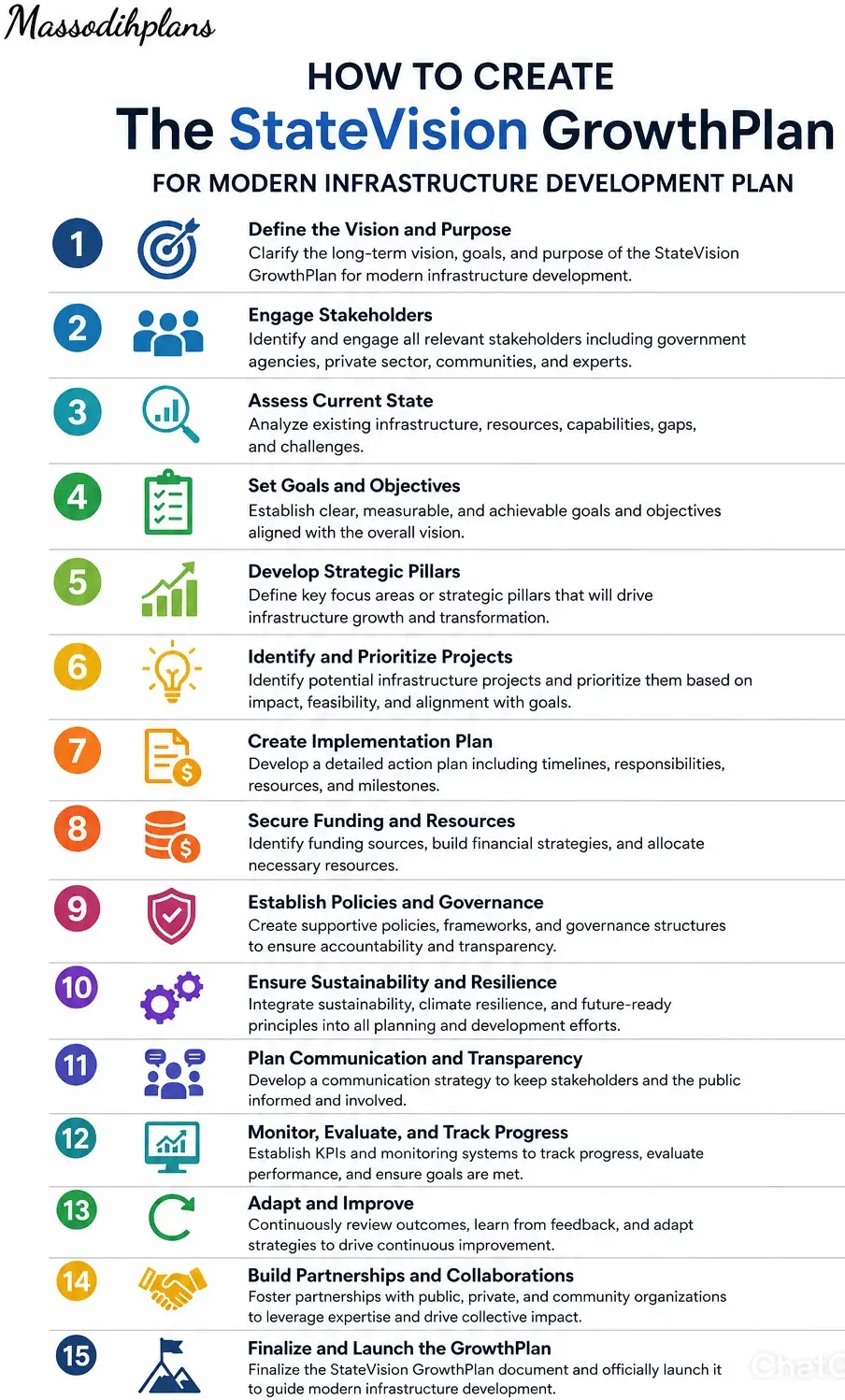
The StateVision GrowthPlan is more than a document. It is
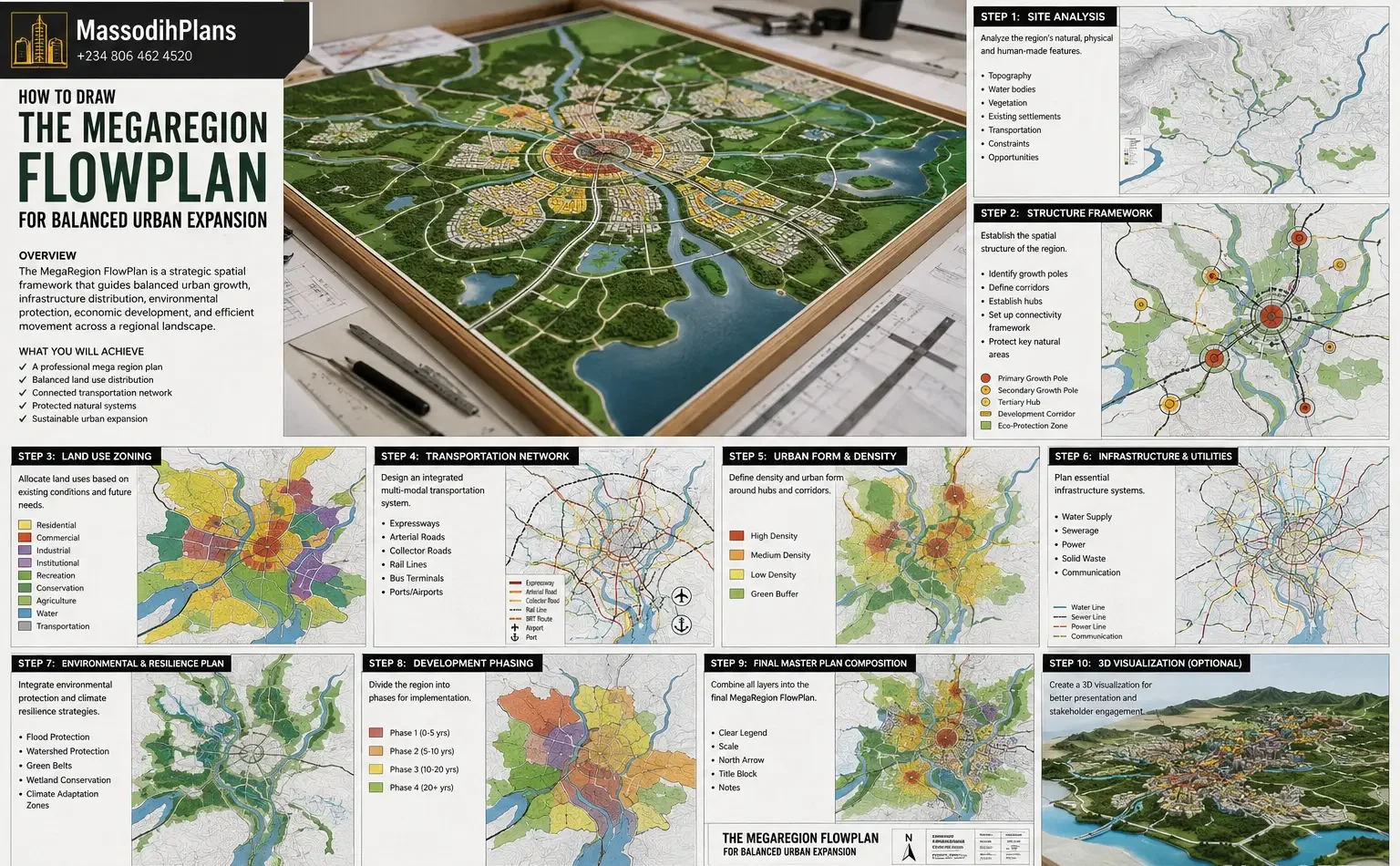
The MegaRegion FlowPlan is a practical master planning framework and
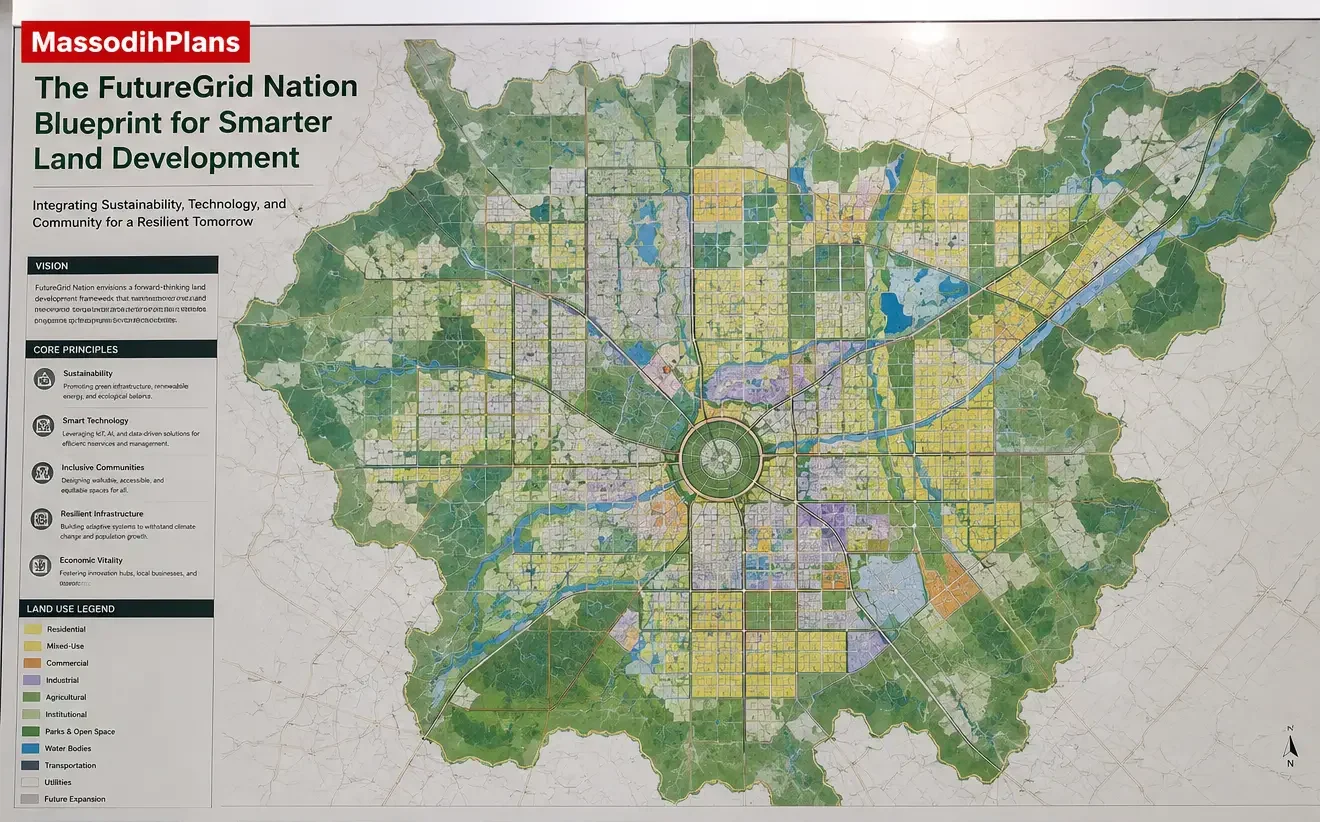
The FutureGrid Nation Blueprint is a transformative master plan framework
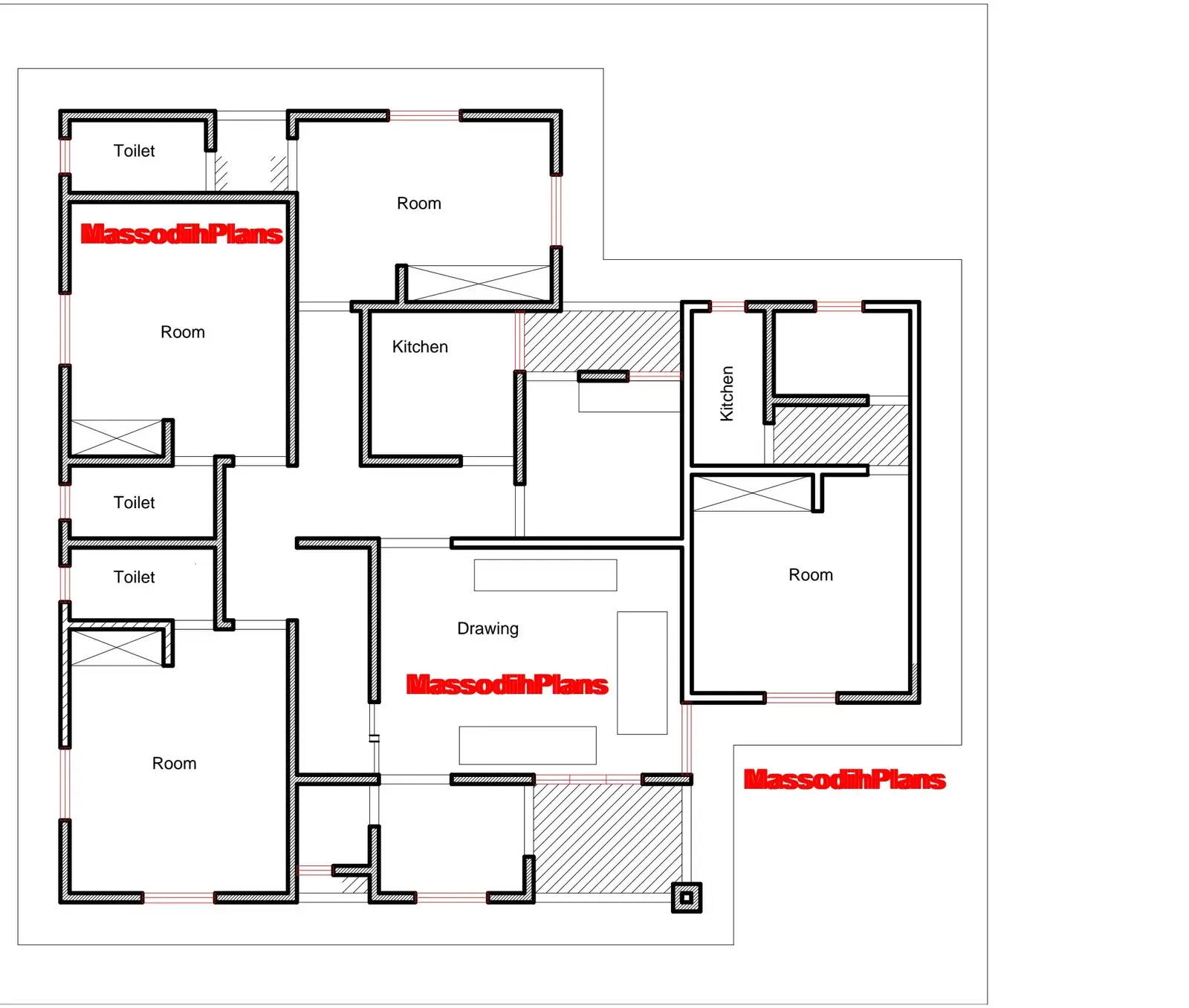
Learn how to draw a 3 bedroom floor plan step
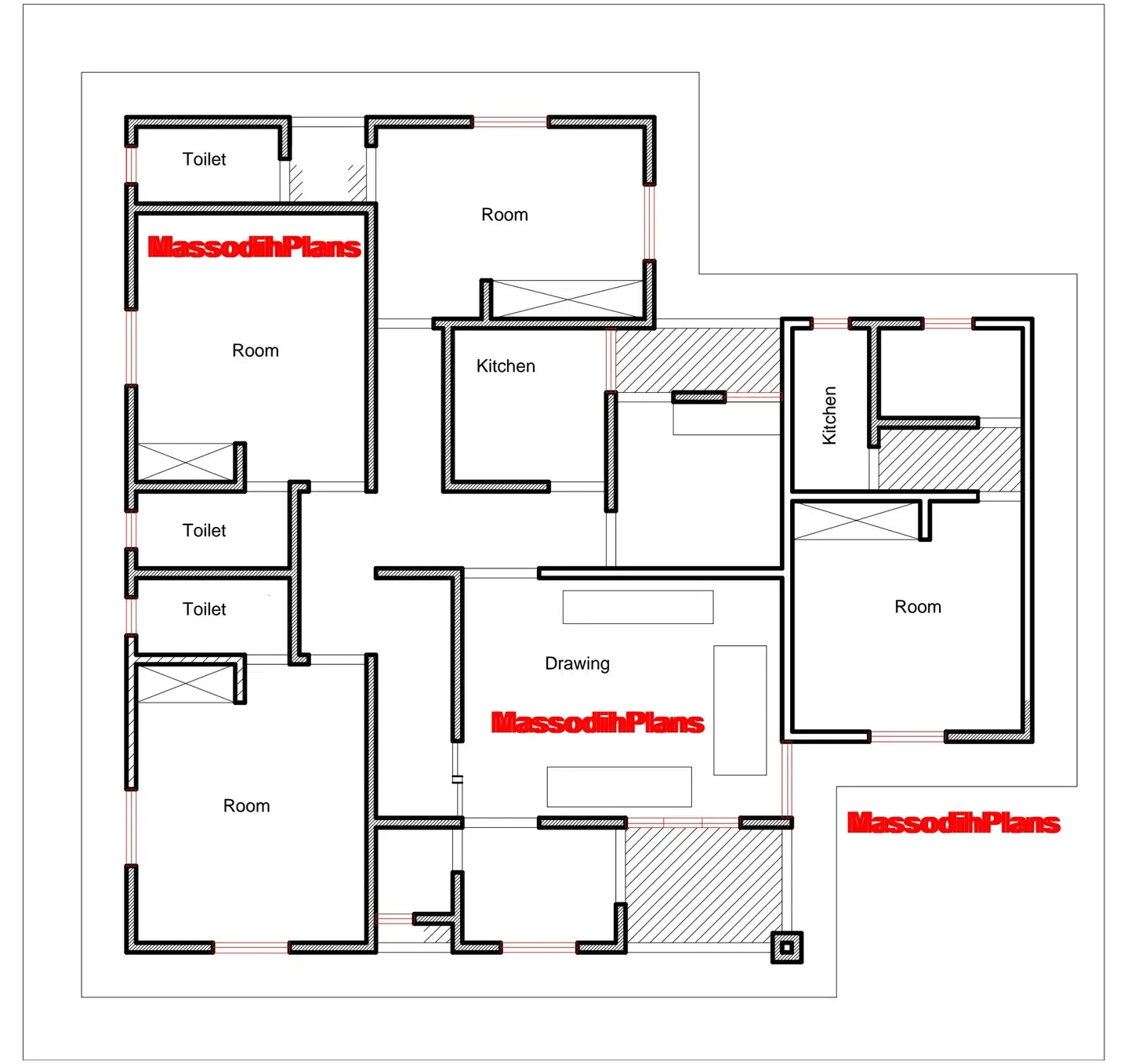
Smart Small Plot Building for Comfortable Urban Living There is
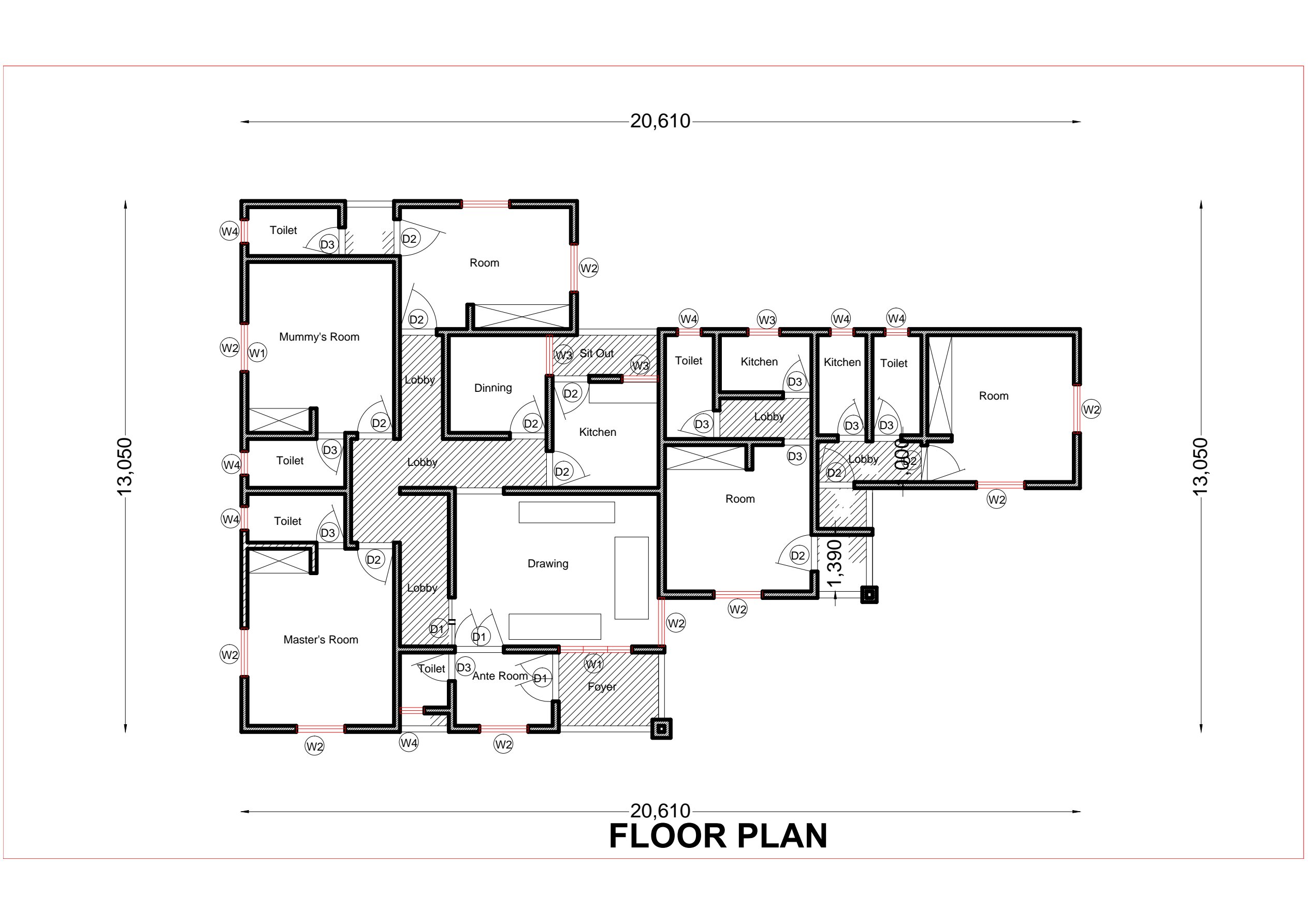
A 50×100 plot in Nigeria gives you a 465 square
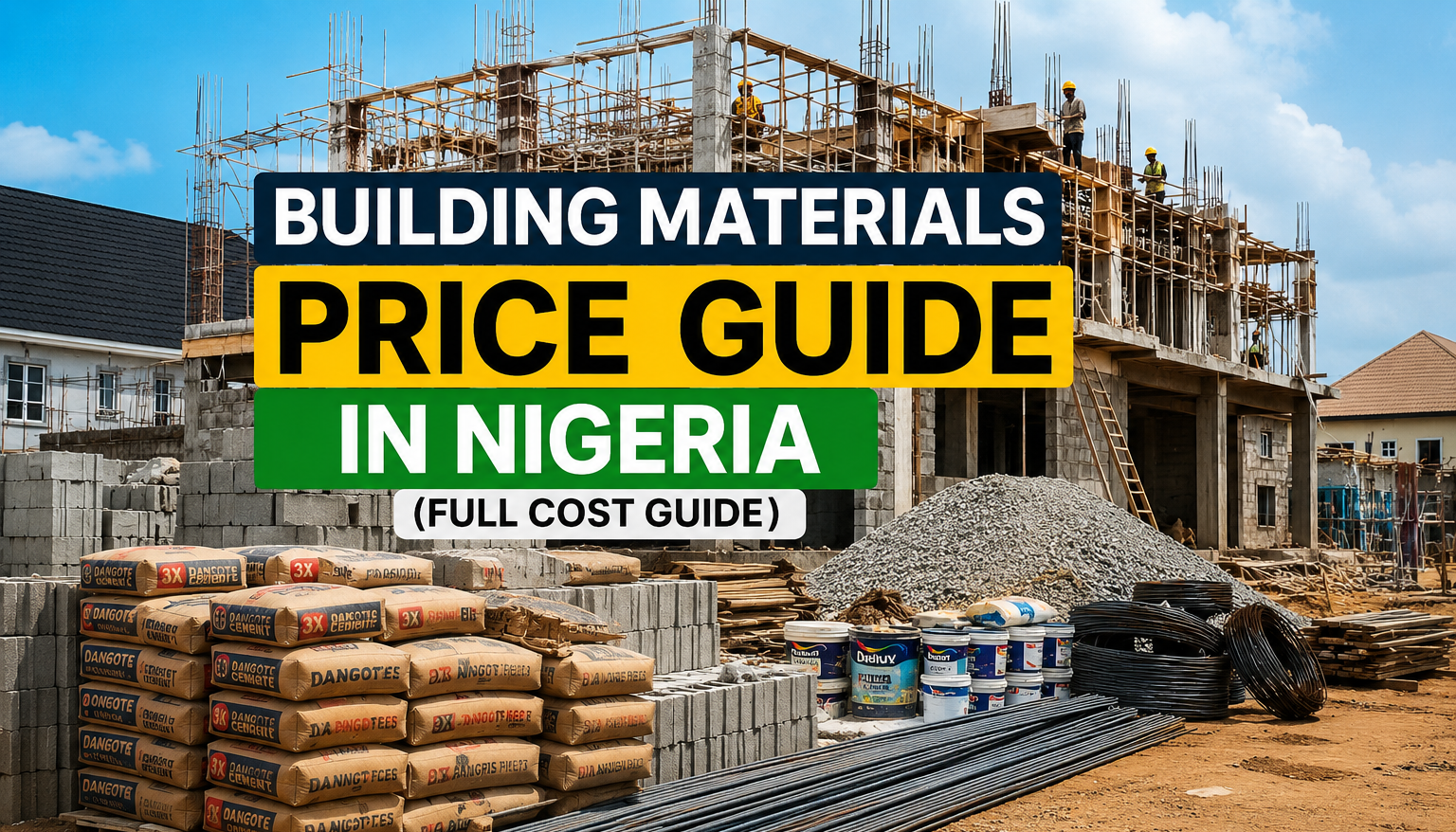
A bag of Dangote cement costs between 10,500 and 12,500

Most people who say they want to learn architectural drawing

The best roofing sheets for Nigerian weather are Aluzinc or
Let me tell you something that most building guides will