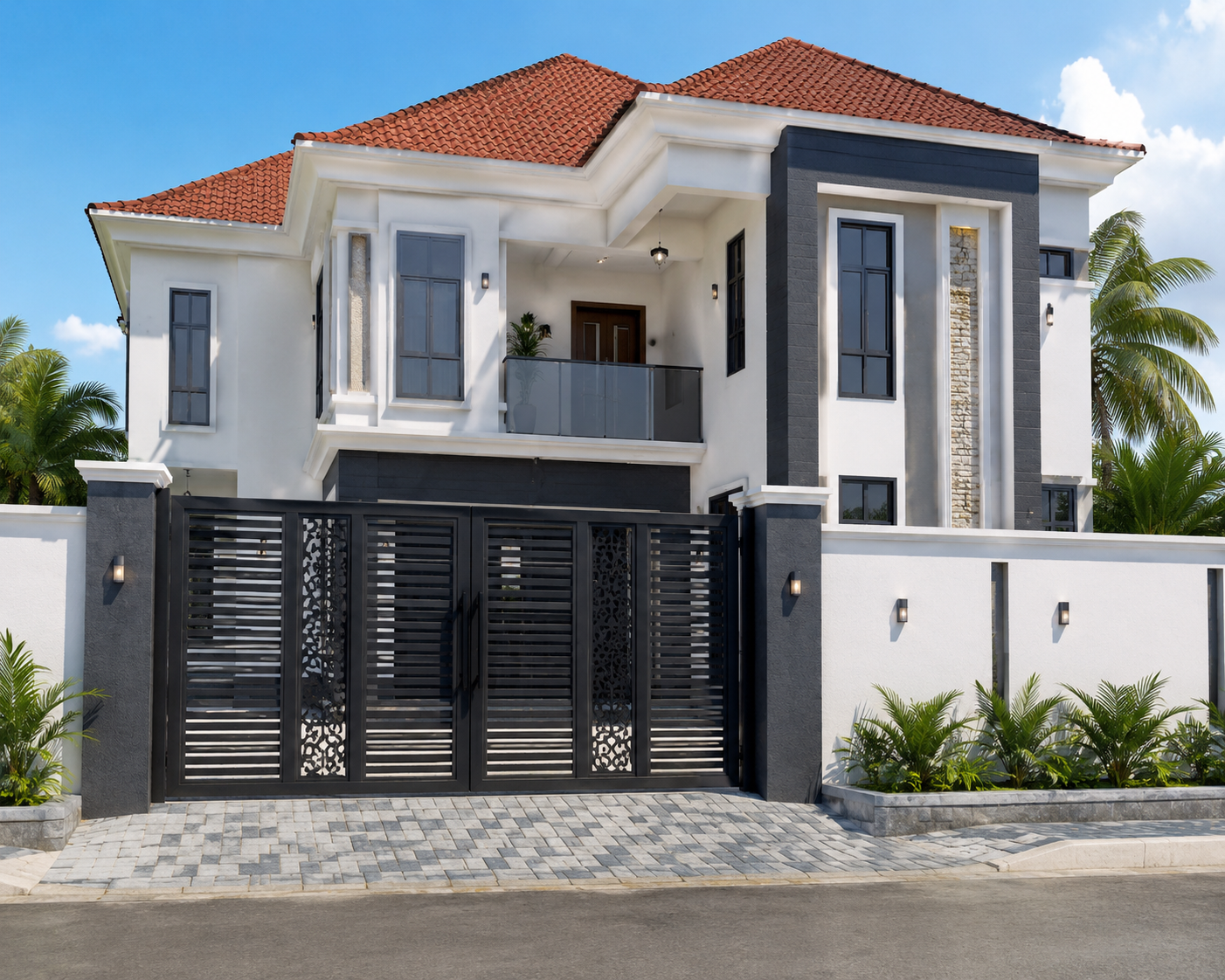
Modern Nigerian House Plan for a 30×60 Plot in Ibadan: The Complete Practical GuideModern Nigerian House Plan for a 30×60 Plot in Ibadan: The Complete Practical Guide
Looking for a practical and stylish house design for a
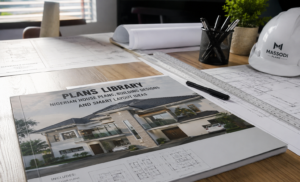
Plans Library
If you are planning to build in Nigeria and you need real house plans that actually work on Nigerian plots, you are in the right place. The Plans Library on MassodihPlans is a carefully curated collection of architect-approved Nigerian house plans, modern building designs, smart floor plan ideas, and practical layout concepts created specifically for Nigerian land sizes, climates, family structures, and construction realities.
This is not a gallery of foreign designs copied from Pinterest. Every plan you will find here was developed with one goal: to help Nigerians build smarter, spend wisely, and live better.
Whether you are a first-time builder trying to understand what fits your plot, a property developer looking for rental-income designs, or a student studying architectural concepts for Nigerian environments, this library was built for you.
One of the biggest problems facing Nigerian homebuilders today is the widespread use of foreign house plans that were never designed for our climate, our plot sizes, our building regulations, or our family lifestyles. A plan designed for a temperate European climate will struggle in tropical Uyo, Lagos, or Abuja. A design built for a 100-metre suburban lot will fail on a standard Nigerian 50×100 plot.
I created this library to solve that problem directly. Every design concept, floor plan idea, and layout strategy you find here is informed by real Nigerian building conditions, from setback requirements and compound parking needs to cross-ventilation, natural lighting, and the realities of building with local contractors and materials.
You can read more about the thinking behind this platform on the MassodihPlans homepage, where I explain why locally grounded design decisions always produce better results than imported templates.
The Plans Library covers a wide range of residential and mixed-use design concepts that reflect how Nigerians actually build and live. Here is what this category currently includes and will continue to grow to include:
Bungalow designs remain one of the most popular housing choices in Nigeria because they are affordable to build, easy to maintain, and well suited to a wide range of plot sizes. Inside this library, you will find modern bungalow concepts that balance aesthetics, comfort, and functionality without unnecessary construction costs. I explore how smart room arrangement, proper orientation, and efficient circulation can make a bungalow feel spacious even on a compact plot.
Duplexes are increasingly popular for Nigerian families who want a larger home without sacrificing rental income potential. The modern duplex house plan for a 50×100 plot in Lagos is one practical example of how a well-designed duplex can fit comfortably on a standard Nigerian plot while delivering generous living spaces, parking, and proper setbacks. I regularly explore duplex concepts across different plot configurations and budget levels. You can also compare options more clearly by reading the breakdown on bungalow versus duplex, which is better to build in Nigeria today.
The 50×100 plot is one of the most common land sizes in Nigerian urban and semi-urban areas. It is a practical size, but it demands careful planning to avoid wasted space, poor ventilation, or buildings that feel cramped. This library regularly features house plan concepts specifically developed for 50×100 plots across cities like Lagos, Abuja, Port Harcourt, and Uyo. The article on smart house design ideas for 50×100 plots in Nigeria is a strong starting point for anyone working with this plot size.
Not every builder has a large plot, and that is perfectly fine. Some of the most intelligent building designs I have studied are the ones that achieve maximum functionality within limited space. This library explores compact home layouts that prioritize smart zoning, efficient room sizes, and creative spatial arrangements without making the occupant feel confined.
For property investors and landlords, this library features apartment building concepts that maximize plot use for rental income. From self-contained units to two-bedroom flats and mixed-tenant designs, I examine how to arrange multiple dwelling units on a single Nigerian plot while maintaining comfort, privacy, and proper site coverage.
Understanding a floor plan is different from simply looking at one. In this library, I explain the thinking behind different room arrangements, what makes one layout work better than another, and how circulation, zoning, and spatial flow affect daily living. These articles help readers develop real architectural literacy, not just visual appreciation.
A building’s exterior is the first thing people see, and the right exterior treatment communicates quality, modernity, and personality. The Plans Library features contemporary Nigerian exterior design inspirations that work within practical budgets and local material availability, from flat roof aesthetics to pitched roof treatments and facade finishing ideas.
Good design is not the same as expensive design. I regularly discuss how thoughtful planning reduces construction costs without sacrificing quality. This connects directly to practical guides like the building materials price guide in Nigeria and the cost of building a 4-bedroom duplex in Lagos, which give builders realistic cost benchmarks to plan against.
A building does not exist in isolation. It sits on a plot of land that has its own shape, dimensions, orientation, access points, and drainage characteristics. This library explores how to approach site planning intelligently, how to position a building on a plot for maximum functionality, and how to think about future expansion from the very beginning.
Everything in the Plans Library is guided by a set of core principles rooted in Nigerian building realities. These principles separate MassodihPlans from the countless generic house plan websites that serve no particular context:
Nigeria sits within the tropical zone, and our buildings must respond to heat, humidity, heavy rainfall, and intense sunlight. A plan that ignores these conditions will produce a home that is uncomfortable, expensive to maintain, and poorly ventilated. Every design concept in this library considers sun orientation, roof overhang protection, natural airflow paths, and appropriate window placement for Nigerian conditions.
Electricity supply in Nigeria remains inconsistent across many cities and towns. Designing a home that depends entirely on artificial lighting and mechanical ventilation is a serious planning failure in our context. The Plans Library consistently emphasizes cross-ventilation strategies, window-to-wall ratios, and internal layouts that allow natural light to reach all habitable rooms without increasing construction costs.
Nigerian family culture often involves receiving guests, accommodating extended family visits, and maintaining a functional compound space. The Plans Library addresses how to plan for adequate parking, a functional compound, service access, and future extensions without compromising the main building footprint.
Building setbacks are legal requirements that determine how close a building can be to a plot boundary. Ignoring them creates serious regulatory and safety problems. I consistently factor setback requirements into all design discussions in this library, helping readers understand that proper setbacks are not wasted space but essential planning elements.
A house plan is only as good as its buildability. The Plans Library avoids showcasing designs that look impressive on paper but are impractical or prohibitively expensive to build in Nigeria. I focus on designs that a competent Nigerian contractor can execute with locally available materials, standard construction methods, and realistic budget expectations.
For anyone who wants to understand how drawings actually get made, the Plan School category offers step-by-step practical training in architectural drawing, AutoCAD, and design preparation for students and aspiring professionals.
The Plans Library serves a broad audience united by a common interest in building better in Nigeria:
Homeowners Planning to Build who need to understand their design options before engaging an architect or contractor. Reading through this library helps you ask better questions, make more informed decisions, and avoid costly mistakes.
Architecture and Planning Students who need exposure to locally grounded design examples beyond what classroom textbooks provide. Nigerian architectural education often leans heavily on foreign case studies. This library offers local context.
Builders and Contractors who want to stay current with modern Nigerian residential design trends and smart layout strategies that their clients are increasingly requesting.
Real Estate Developers and Property Investors who need to evaluate which building configurations deliver the best return on investment for different Nigerian plot sizes and locations.
Nigerians in the Diaspora who are planning to build back home and need reliable, locally grounded design guidance they can trust from anywhere in the world.
If you need professional support beyond browsing designs, the Services category covers customized house design, site planning analysis, architectural consultation, PDF plan downloads, and renovation concepts tailored to your specific project.
Nigerian homebuilders work with a wide variety of land configurations, and the Plans Library addresses them all:
The standard 50×100 plot is the most common, and I have devoted significant content to maximizing it effectively. The 40×80 plot is common in denser urban areas and demands more creative compact planning. The 60×120 plot offers more room and makes certain designs like L-shaped layouts or separated servant quarters more practical. Corner plots create unique opportunities for dual frontage and more flexible building orientation. Narrow urban plots require careful vertical thinking and strategic placement of functional spaces.
Whatever your land configuration, the goal is always the same: achieve maximum livability, proper functionality, adequate parking, correct setbacks, and room for future expansion without unnecessary construction expenditure.
The Nigerian Institute of Architects provides professional guidance on building standards and architectural practice in Nigeria. Their resources complement the practical design content in this library for readers who want to understand the regulatory and professional framework that governs building design in Nigeria. You can visit the Nigerian Institute of Architects for more on professional standards.
What separates this library from a standard plan catalogue is the explanatory layer behind every design concept. I do not just show you what a building looks like. I explain why the rooms are arranged the way they are, why the building is positioned at that angle on the plot, why the roof takes a particular form, and how those decisions affect your comfort, your construction cost, and your long-term satisfaction with the building.
Articles in this library may include:
Architectural planning explanations that break down why certain design decisions matter more than they appear. Development tips that help readers avoid the most common and costly planning mistakes in Nigerian residential construction. Roofing considerations specific to Nigerian weather conditions, which you can explore further in the guide on best roofing sheets for Nigerian weather. Spatial arrangement ideas that improve daily circulation and reduce congestion inside the home. Sustainability concepts that reduce long-term running costs without increasing build complexity. Practical building advice grounded in Nigerian construction realities rather than imported theory.
Start by identifying your plot size and your primary building objective. Are you building a family home for personal use? Are you building for rental income? Are you building a mixed-use development that combines residential and commercial functions? Once you know your objective, browse the Plans Library for design concepts that match your situation.
Read the explanatory articles alongside the design visuals. The plans themselves are educational resources, not just images. Pay attention to how rooms relate to each other, how the building sits on the plot, how parking and compound space are arranged, and how exterior aesthetics are achieved without inflating the budget.
If a concept interests you and you want to take it further, you can reach the team through the Contact page to discuss customized design support. For a complete overview of what MassodihPlans offers and the values that drive this platform, visit the About page.
All content published on this platform is governed by a clear editorial standard. You can review the Editorial Policy to understand how design content is researched, written, and quality-controlled before publication. For information on how your data is handled when you visit this site, the Privacy Policy, Cookie Policy, Disclaimer, and Terms and Conditions pages are all available for your review.
The Plans Library on MassodihPlans is a growing resource that expands regularly as I add new design concepts, fresh building ideas, updated cost references, and deeper planning insights. Every addition is made with the same commitment: to give Nigerians access to realistic, practical, and locally grounded architectural knowledge that helps them build with clarity and confidence.
Explore the full Plans Library and start discovering smarter ways to plan, design, and build in Nigeria.
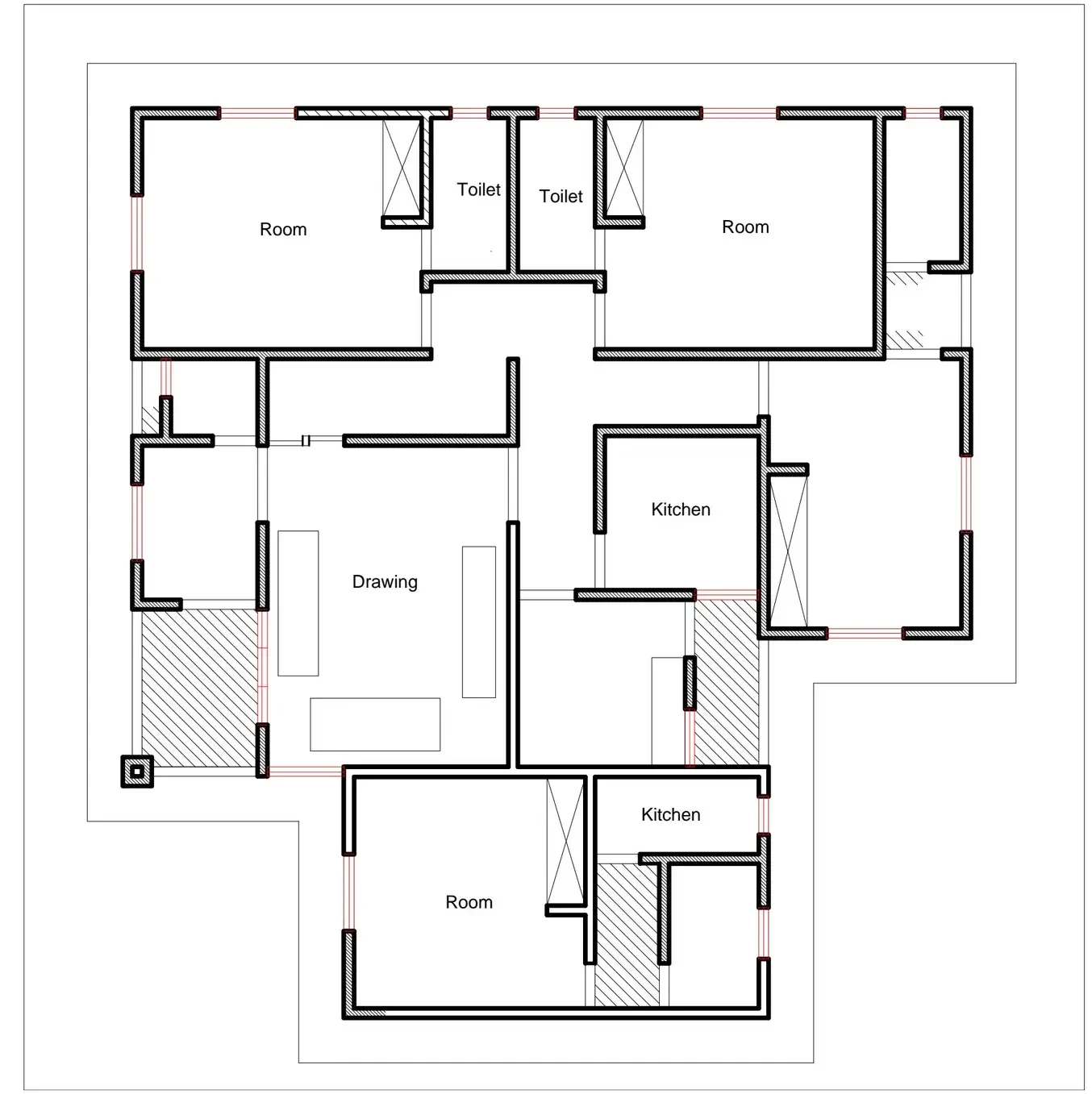
Looking for a practical and stylish house design for a
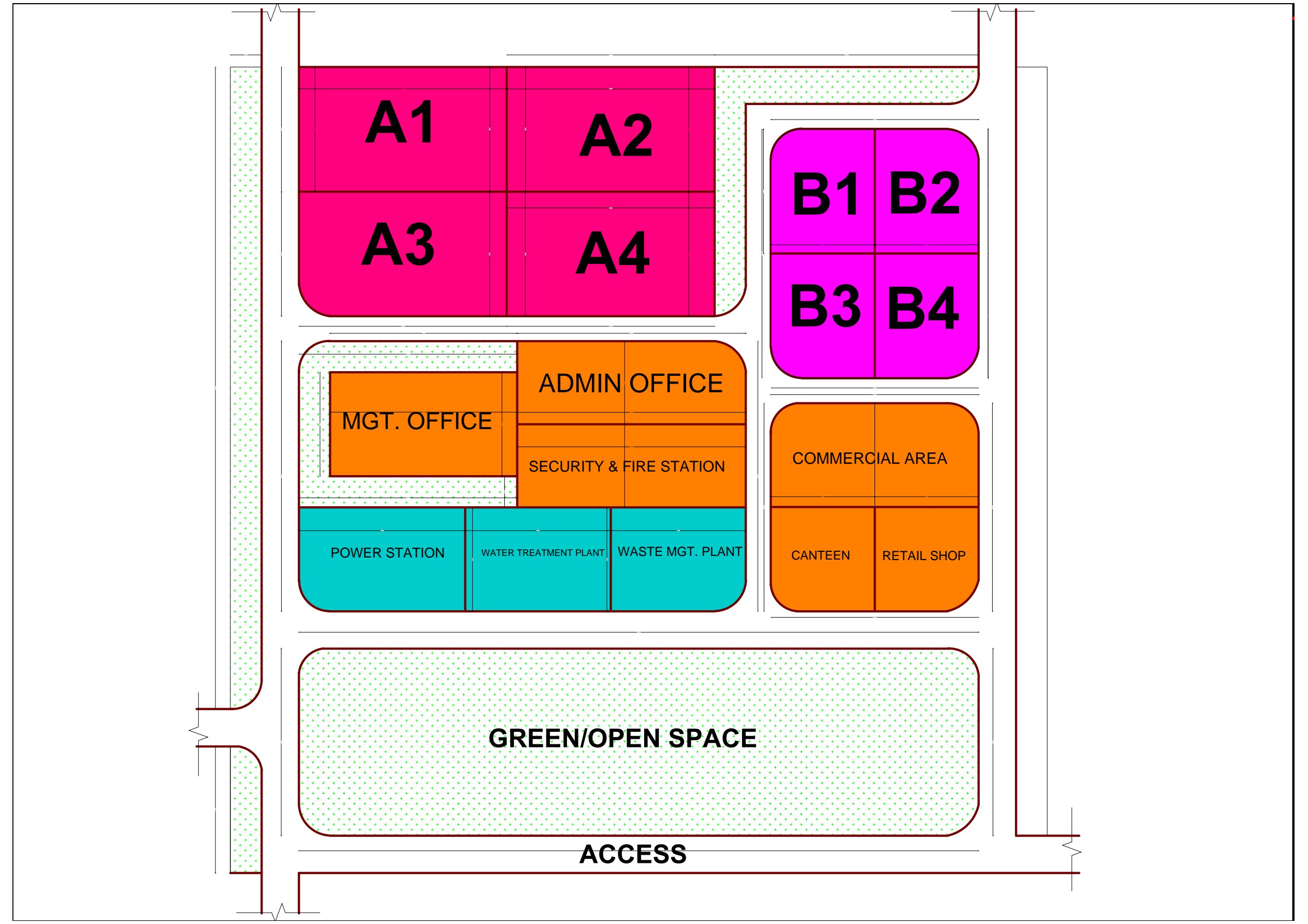
Planning a small industrial estate in Nigeria requires more than
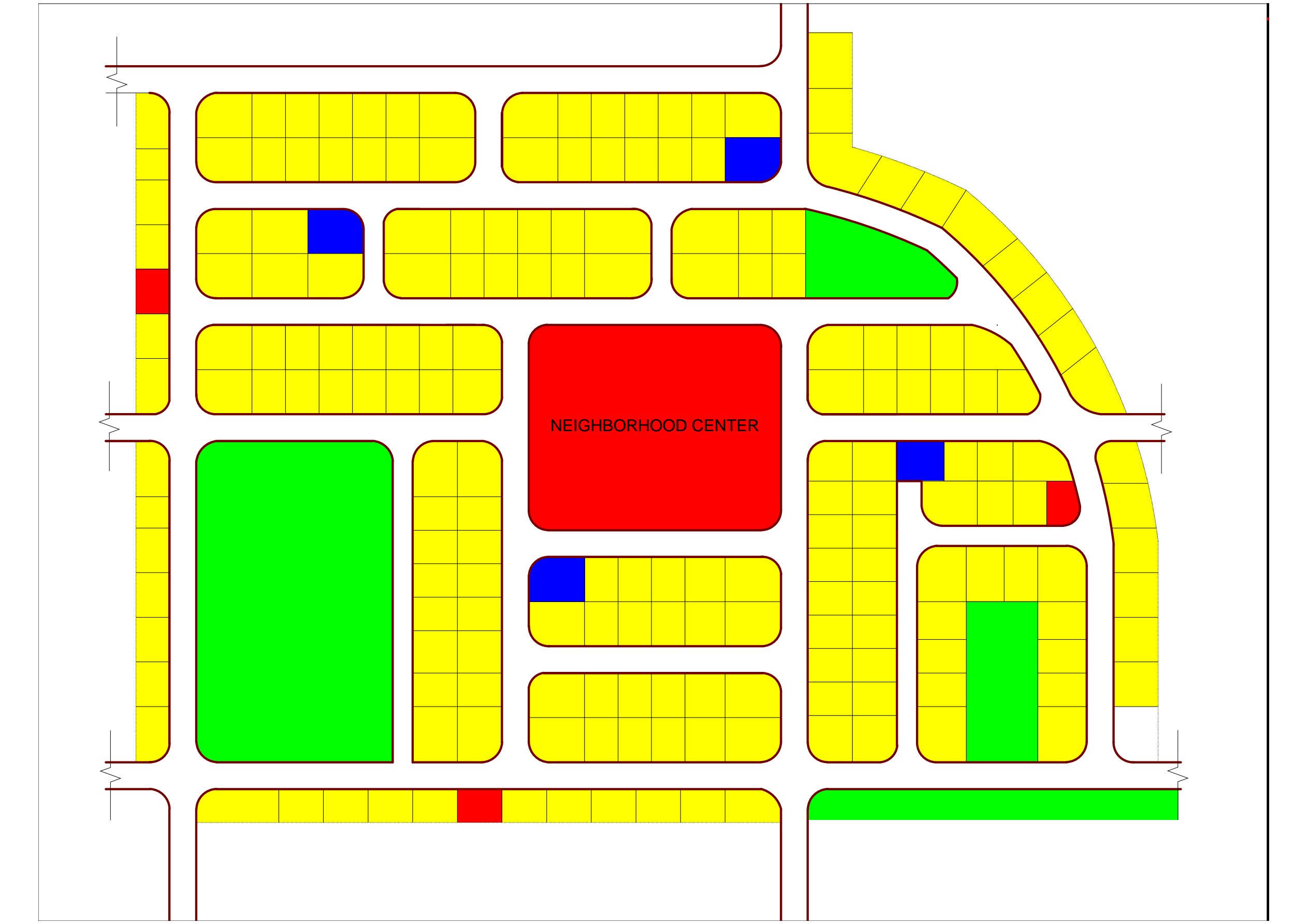
Planning a small residential estate in Nigeria requires more than
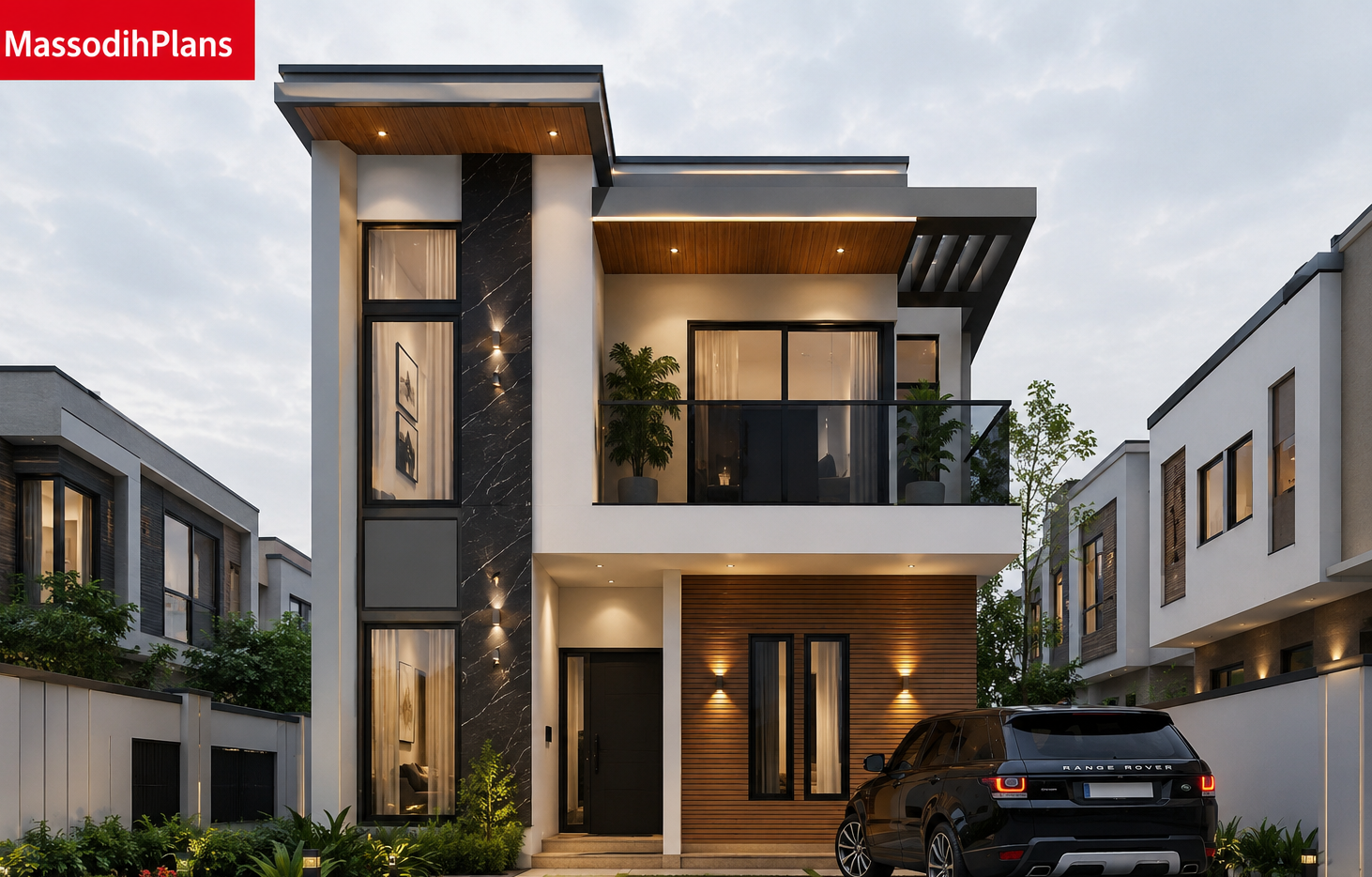
How to Build a Luxury Duplex on a Small Lekki
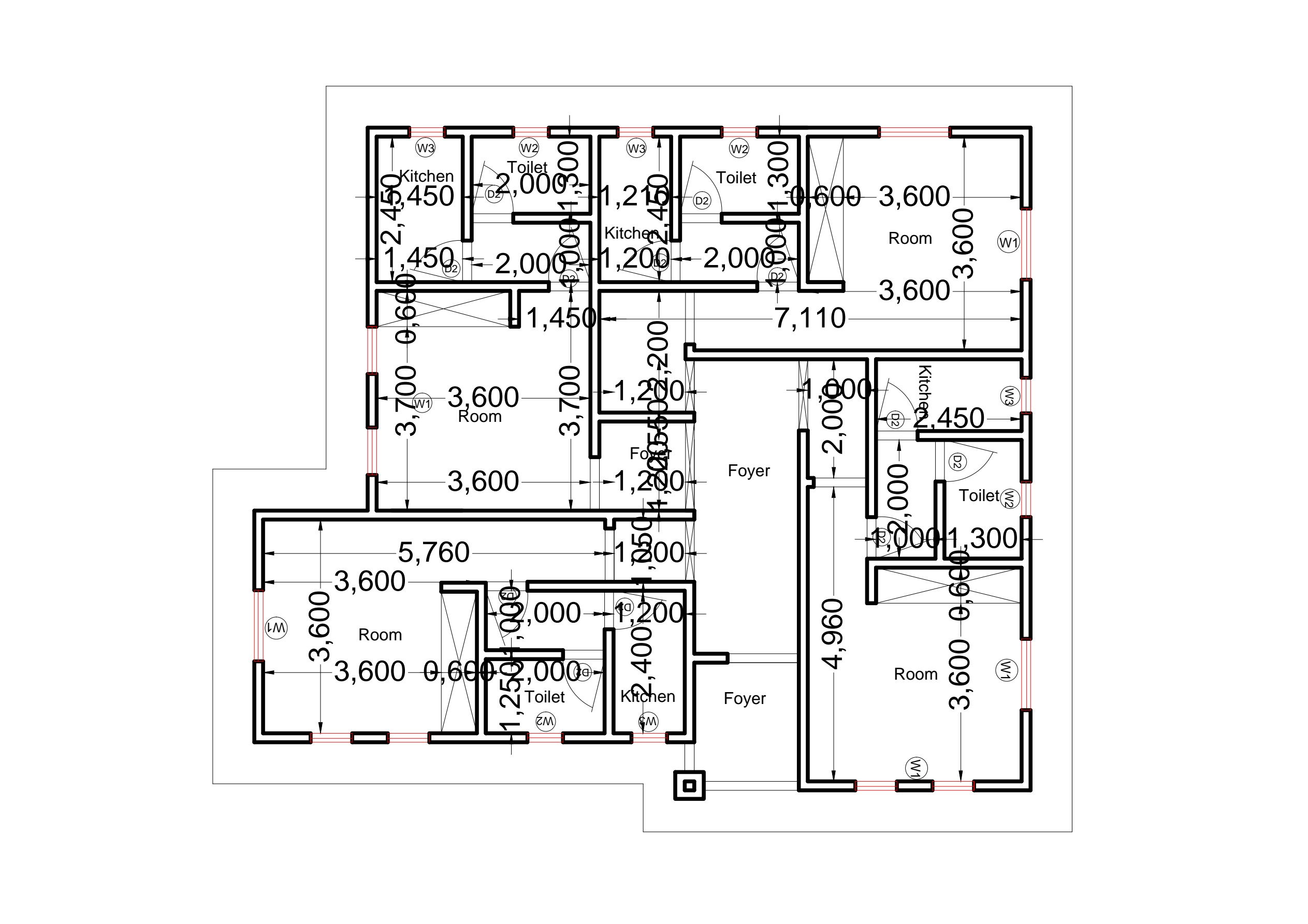
A complete practical guide for families building on 450sqm to
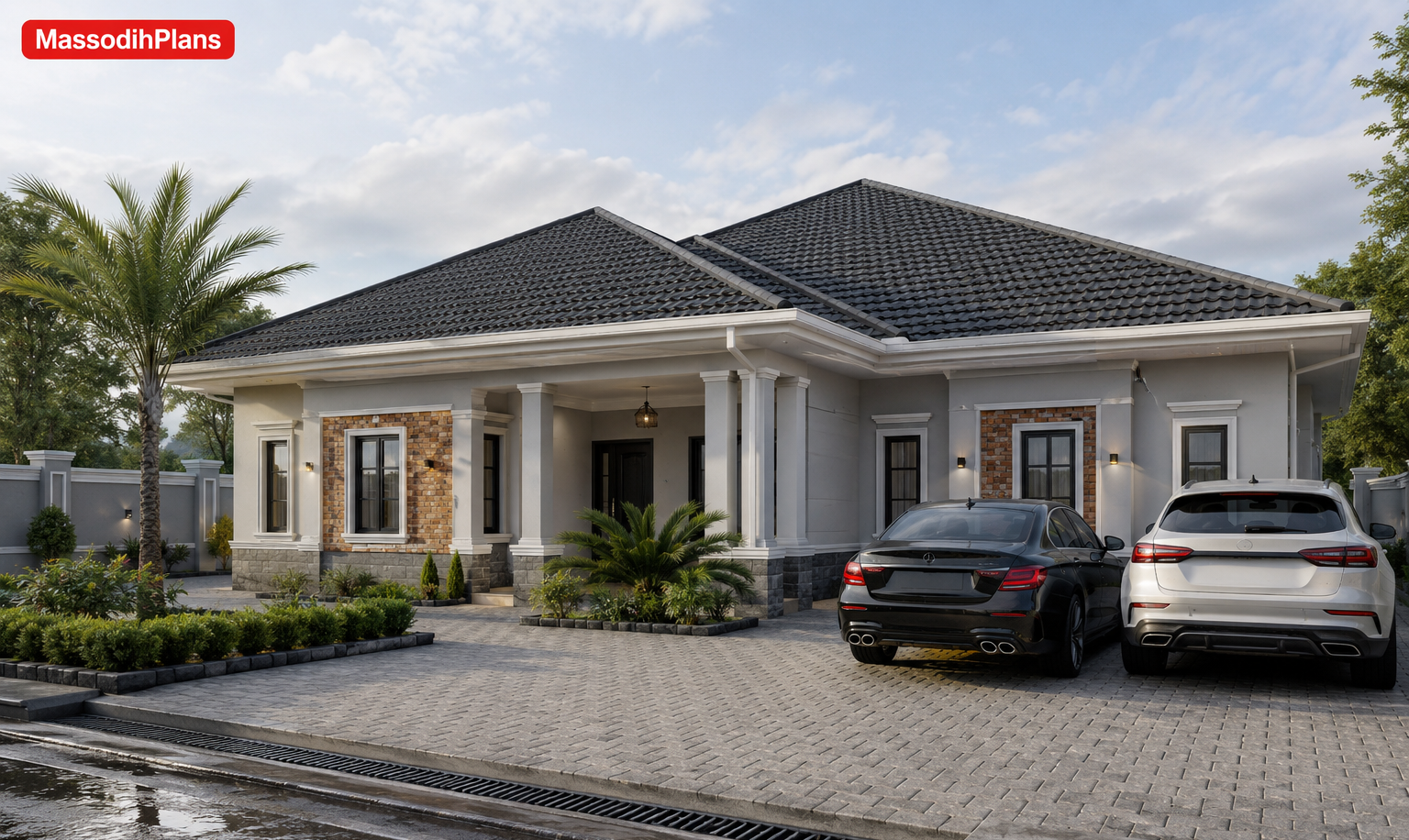
How to Build a Smart Affordable Bungalow on a 40×80
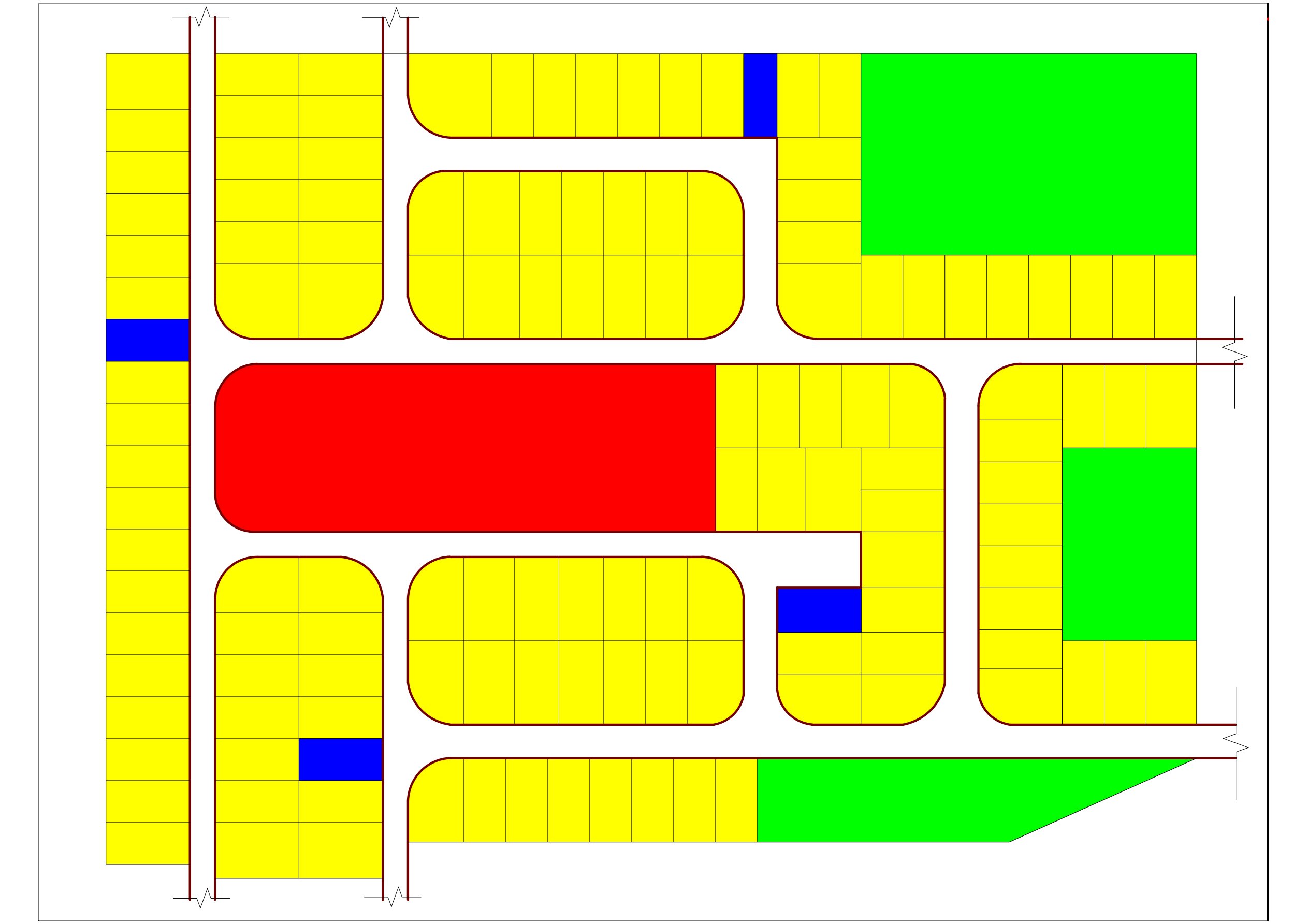
Learn how modern Nigerian estate master plans maximize small plots
If someone has told you that a 50×100 plot is