Best Places to Buy Land in Uyo for Fast Development and High Property ValueBest Places to Buy Land in Uyo for Fast Development and High Property Value
Uyo is one of southern Nigeria's fastest appreciating land markets,

Professional Services
If you are trying to build, develop, or plan a property in Nigeria and you need professional guidance that actually understands the Nigerian built environment, this is the right place. The Services category on MassodihPlans covers practical, professionally informed support across architecture, physical planning, building design, documentation, regulatory processes, GIS mapping, development consultancy, and academic research assistance, all delivered with direct knowledge of how these disciplines work within Nigerian conditions, not imported frameworks adjusted to sound local.
This page explains what professional services in the Nigerian built environment look like, why they matter, and how the right professional support can be the difference between a project that succeeds and one that becomes an expensive lesson.
Most building problems in Nigeria do not start on site. They start at the planning and documentation stage, months before a single block is laid. A building constructed from a poorly designed plan, developed on a plot without proper site analysis, or submitted for approval with incomplete or non-compliant documentation will run into problems that cost far more to fix than the professional fees that would have prevented them in the first place.
Here are the most common consequences of proceeding without proper professional support in the Nigerian building process:
Setback violations that result in town planning enforcement notices, stop-work orders, or demolition requirements after construction has already begun.
Structural problems caused by plans that were drawn without adequate understanding of load distribution, foundation conditions, or soil behaviour on a specific site.
Poor spatial arrangements that cannot be corrected once walls are up, producing buildings that are uncomfortable to live in, difficult to maintain, and awkward to expand.
Documentation that fails to satisfy planning authorities, leading to permit rejections, multiple resubmissions, and project delays that push up costs through extended contractor retention periods.
Environmental compliance failures on projects that required Environmental Impact Assessment or Environmental Impact Statement documentation before development approval could be granted.
Land use conflicts caused by developments that were not reviewed against applicable zoning regulations, resulting in legal disputes with planning authorities or neighbouring property owners.
Each of these outcomes is preventable. Professional planning, design, and documentation services exist precisely to identify these risks at the stage when they are still easy and inexpensive to address.
Readers who want to understand the principles behind good building design before seeking professional support can study the foundational concepts covered in the Plan School category, where I explain architectural drawing, space planning, setback calculations, and building design thinking in practical and accessible terms.
The Services category covers a broad range of professionally informed support areas. Here is a detailed breakdown of what this category addresses and how each service area is relevant to different clients and project types:
This covers the preparation of building design documentation for residential, commercial, and mixed-use developments in Nigeria. A properly drawn architectural set includes floor plans, elevations, sections, site plans, roof plans, schedules, and notes sufficient for contractor use, planning authority submission, and structural engineer coordination.
Many Nigerians commission architectural drawings from unqualified individuals who produce plans that look presentable on paper but fail during construction because critical information is missing, dimensions are inconsistent, or structural considerations have been ignored. Professional architectural drawing eliminates these risks by producing documentation that is complete, coordinated, and fit for purpose.
The Plans Library category on this site complements this service area by providing design ideas, layout concepts, and building inspirations that clients can reference when discussing their requirements for a new project.
Site planning involves determining how a building or group of buildings should be arranged on a piece of land to maximize function, comply with regulations, manage drainage, provide access, accommodate parking, and allow for future growth. It is a discipline that sits at the intersection of architecture, town planning, landscape design, and civil engineering.
Physical development planning goes further, addressing how land should be allocated for different uses across a larger area, whether that is a residential estate, a mixed-use development, a community facility, or a commercial complex. This category covers both individual plot site planning and broader physical development planning considerations relevant to Nigerian developers, organizations, and government agencies.
Obtaining planning approval in Nigeria requires submitting the correct documentation to the relevant state or local planning authority, complying with applicable regulations, paying the required fees, and navigating the often complex administrative processes of different state agencies. The requirements differ across states, and even within states, different local government areas sometimes apply additional requirements.
This service area provides guidance on understanding what planning authorities require, how to prepare compliant documentation packages, and what to expect during the approval process. It does not replace the services of a registered architect or town planner who must certify your drawings, but it provides the knowledge base that helps you work more effectively with those professionals and avoid common submission errors.
A useful reference point for understanding the national regulatory framework is the National Council on Housing and Urban Development, which coordinates housing and physical development policy in Nigeria. Their guidelines inform the standards that state planning authorities apply when reviewing development applications. You can find relevant policy and regulatory information through the Federal Ministry of Housing and Urban Development.
Certain categories of development in Nigeria require environmental impact assessment documentation before planning approval can be granted. This applies particularly to developments above a threshold scale, projects near sensitive environmental areas, developments involving significant land clearing, and commercial or industrial projects with potential environmental consequences.
This service area covers what environmental impact assessment involves in the Nigerian context, when it is required, what the documentation process looks like, and how environmental considerations should influence site selection, building orientation, drainage design, and material choices from the earliest stages of project planning.
Geographic Information Systems technology has transformed how planning, land management, and development analysis is done in Nigeria. GIS mapping services support site selection analysis, land use mapping, infrastructure planning, catchment area analysis, development impact assessment, and spatial documentation for planning submissions.
For developers, organizations, and planning agencies that need accurate spatial data and professionally prepared GIS outputs, this service area covers what GIS mapping can deliver and how it integrates with broader planning and development workflows.
Construction documentation is the full set of drawings, schedules, specifications, and notes that a contractor needs to price, organize, and execute a building project correctly. Incomplete or unclear construction documentation is one of the most common causes of variation claims, contractor disputes, and cost overruns on Nigerian building projects.
This service area covers what complete construction documentation looks like, how to prepare it properly, and how to use it effectively to manage contractors and control project costs.
For investors, developers, and organizations planning larger projects, this service area covers how to approach property development strategically. That includes feasibility assessment, plot analysis, concept development, regulatory compliance planning, development phasing, and cost-effective design strategy.
Nigeria’s property development landscape has specific characteristics that influence how projects should be structured, financed, and delivered. This category provides professionally informed insights into those characteristics, drawn from direct knowledge of Nigerian planning, design, and construction practice.
Architecture, urban planning, geography, building technology, estate management, and related disciplines all produce students and researchers who need professional support for dissertation research, project documentation, literature synthesis, spatial analysis, and academic writing in the built environment field.
This service area covers how professional research support works, what kinds of assistance are available for students and researchers, and how academically appropriate support can help built environment students produce stronger research without compromising academic integrity.
I have written the content in this category to serve a specific range of people who are at different points in the planning, design, and development process:
Homeowners who are preparing to build and need to understand what professional services are required, what they cost, and how to work effectively with architects, town planners, and other built environment professionals.
Property developers and investors who need professional documentation, site planning, regulatory guidance, or development strategy support for residential or commercial projects.
Architecture, town planning, building technology, estate management, and geography students who need academic research support, dissertation guidance, or professional practice orientation.
Real estate professionals who need planning and design documentation to support property marketing, development appraisal, or client advisory services.
Builders and contractors who need to understand what complete and compliant building documentation looks like and how to use it effectively during construction.
Organizations and government agencies involved in physical development, land use planning, infrastructure planning, or environmental management who need professional consultancy or GIS support.
Individuals who have encountered planning authority problems, building approval difficulties, or documentation deficiencies on an existing project and need professional guidance on how to resolve them.
MassodihPlans is not a generic architecture blog that publishes broad design content without professional grounding. The site is built on a foundation of direct professional knowledge in architecture, physical planning, urban and regional planning, GIS, and the built environment, applied specifically to Nigerian conditions.
That professional background shapes everything on this site, including the educational content in the Plans Library and the Plan School, the design ideas and layout concepts I discuss, and the service-based guidance in this category.
When you read a post on MassodihPlans, you are reading content informed by real professional practice, not assembled from secondary sources and dressed to look authoritative.
You can learn more about the thinking and background behind this site on the About page. If you have a specific project, question, or service enquiry, the Contact page is where you can reach me directly.
Because this site combines educational content with professional service offerings, it is important that readers understand how the information on MassodihPlans is provided and what it is intended for.
The educational guides, design discussions, and professional insights shared across this site are intended for informational and learning purposes. They are not a substitute for professional advice tailored to a specific project, site, or regulatory context. Every building project in Nigeria involves site-specific conditions, regulatory requirements, and construction realities that cannot be fully addressed through general educational content.
Before making significant decisions about building, planning, or development projects, always engage a qualified and registered professional who can assess your specific situation directly.
Full details about how this site operates, how your information is handled, and the terms under which content is provided are available in the Privacy Policy, Disclaimer, and Terms and Conditions pages on this site. I encourage every reader to review those pages so you understand clearly what MassodihPlans provides and how the site operates.
One of the problems with professional content in the Nigerian built environment space is that most of it either defaults to foreign frameworks with minimal local adaptation or stays so generic that it provides no actionable guidance for someone dealing with a specific Nigerian planning authority, building regulation, or construction challenge.
This category does neither. The professional knowledge shared here is grounded in direct experience with Nigerian plot sizes, Nigerian planning regulations, Nigerian construction practices, Nigerian climate conditions, and Nigerian development realities. When I discuss setback requirements, I am discussing Nigerian setback calculations. When I discuss environmental impact documentation, I am referencing Nigerian EIA requirements. When I discuss building approval processes, I am describing how Nigerian planning authorities actually operate, not how planning departments work in the United Kingdom or the United States.
That specificity is what makes this category practically useful to readers who are actually building, planning, or developing in Nigeria.
The Services category is one part of a broader resource ecosystem on MassodihPlans designed to support everyone involved in Nigerian building, design, and development. From the homepage at massodihplans.com, you can navigate the full range of content across every category, including design ideas, educational resources, and professional service guidance.
Start with the Plans Library if you want design inspiration and layout ideas for your project. Visit the Plan School if you want to understand the principles behind building design before you engage with a professional. Come back to this Services category when you are ready to understand what professional support your project actually needs and how to go about securing it.
If you have a direct enquiry about a specific project or service, I am available through the Contact page. I read every message personally and respond to genuine project enquiries.
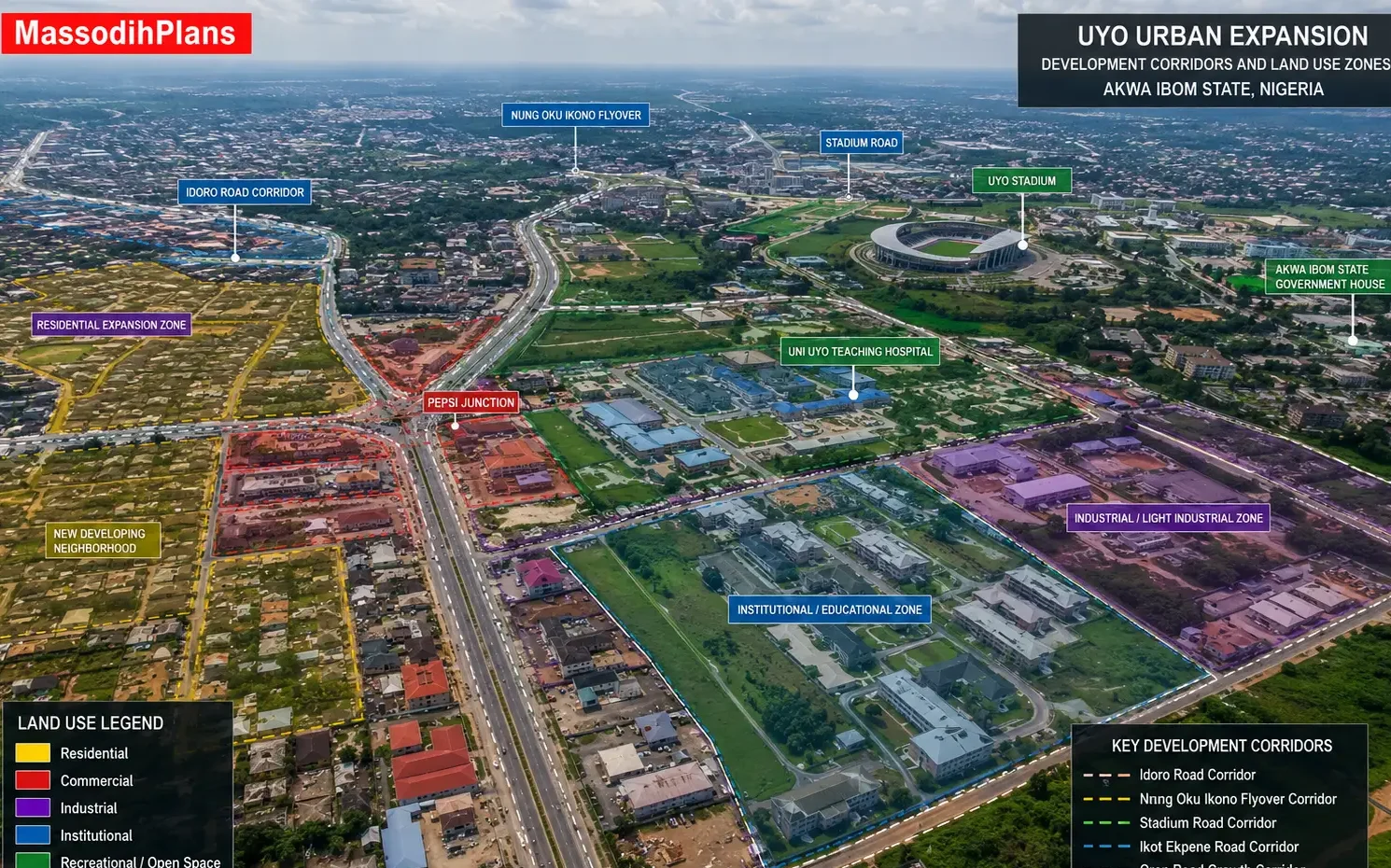
Uyo is one of southern Nigeria's fastest appreciating land markets,
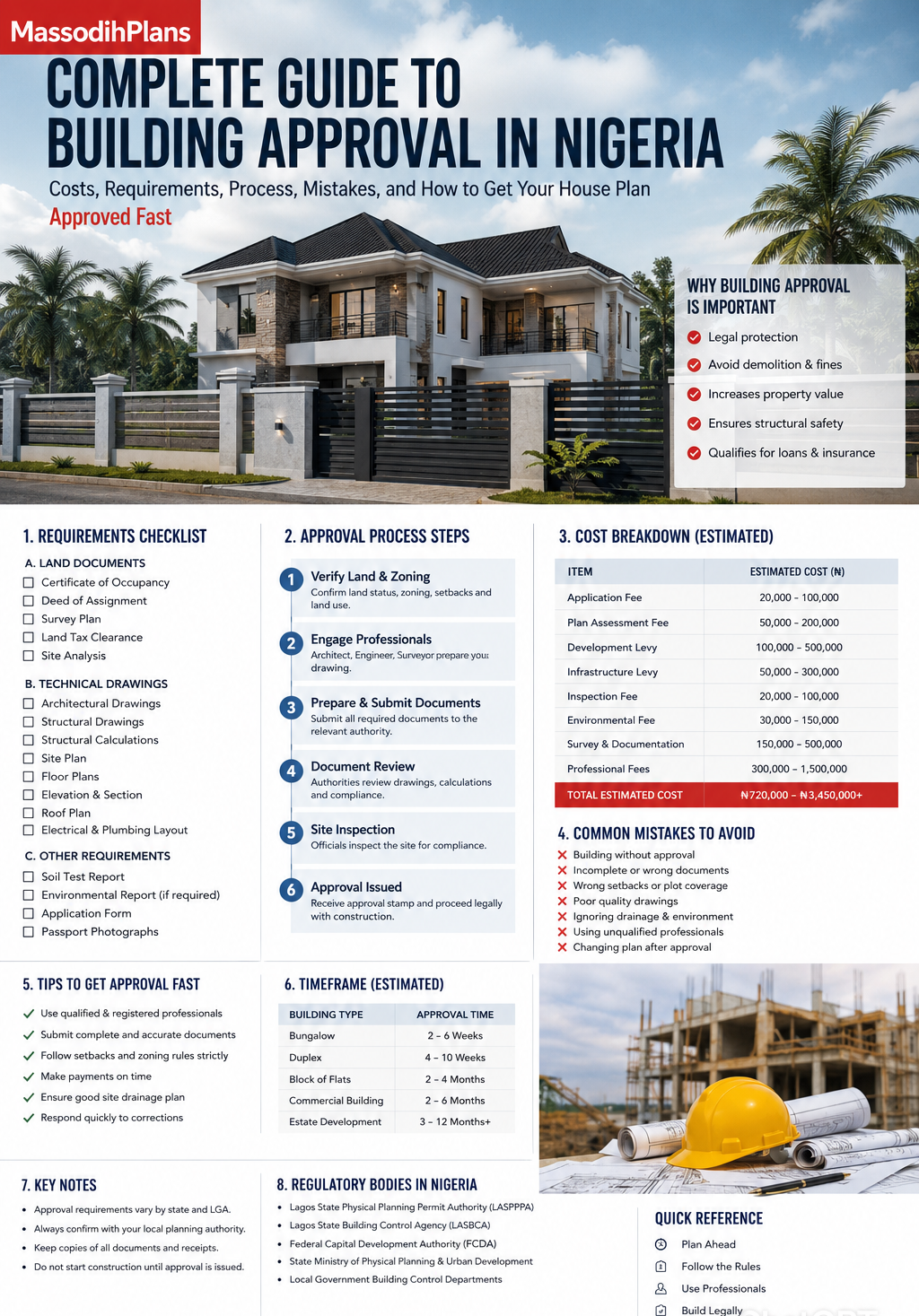
Building without approval in Nigeria is one of the most
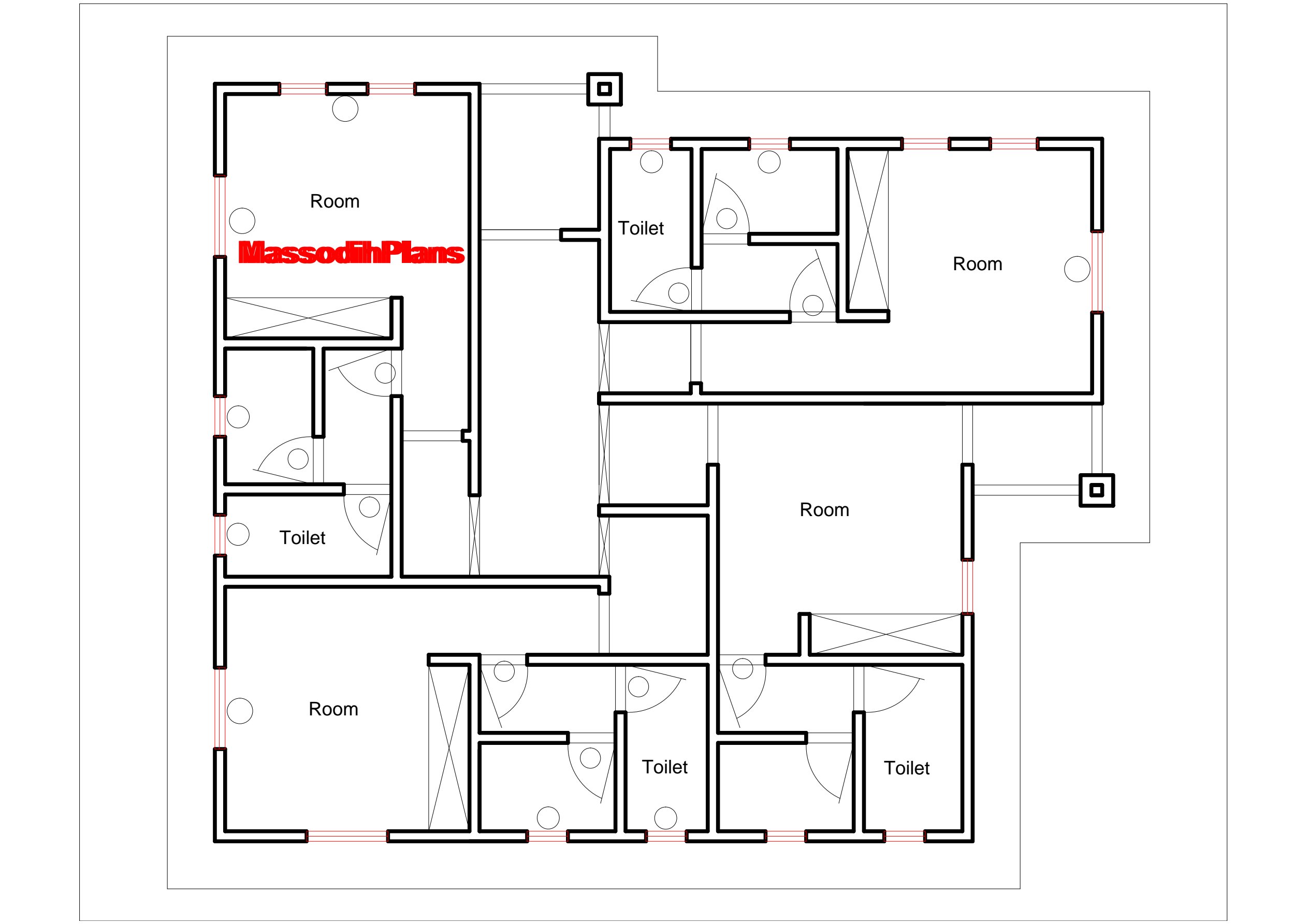
What It Really Costs to Build a Duplex in Kano

Before You Start Building in Port Harcourt, Read This Cost
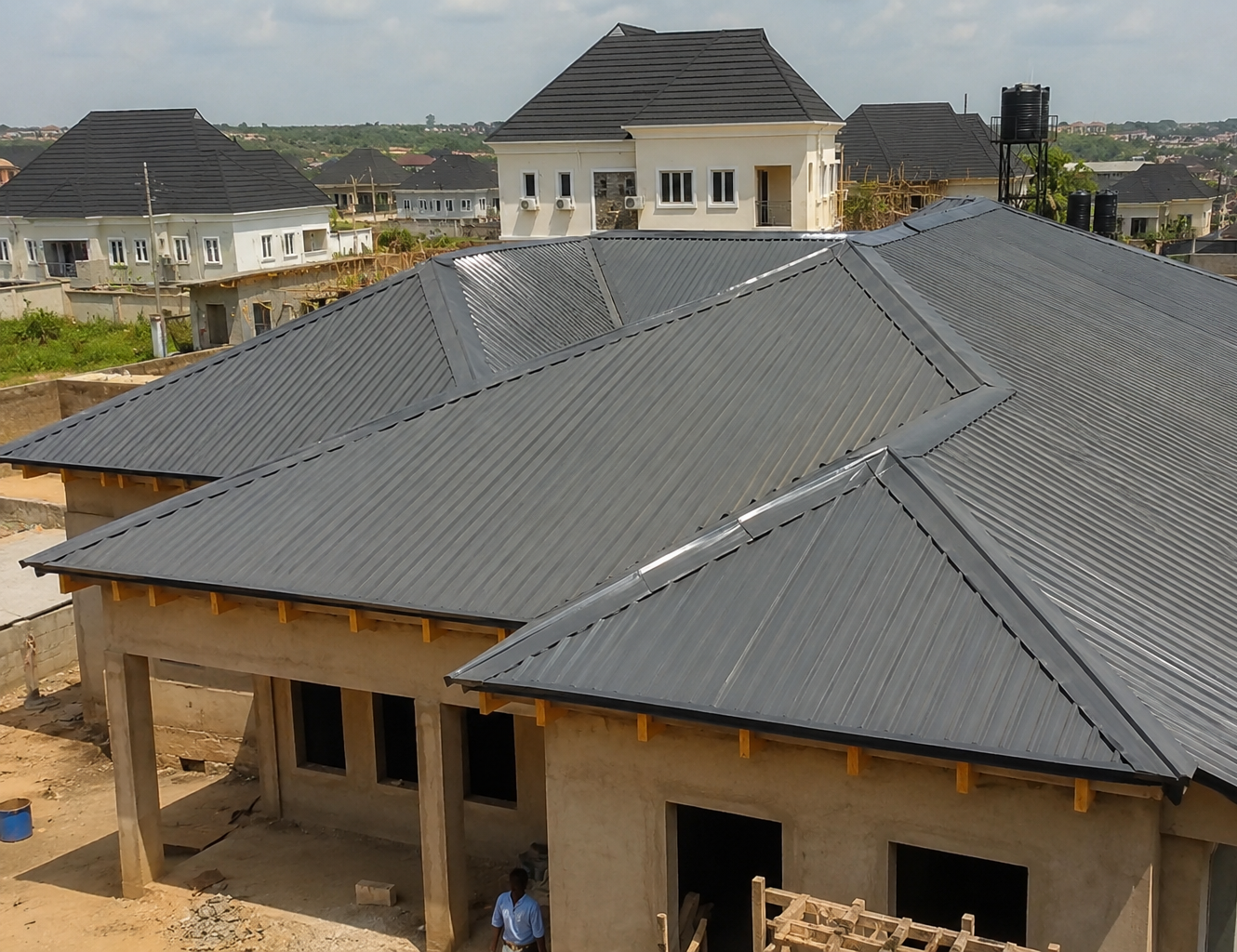
Let me answer this immediately before anything else. Roofing a